The Great Lakes are full of stories—of people and boats, fish and food. Explore them here.
Browse the Collection
Our Great Lakes Fisheries Heritage Trail Story Series, made possible in part by America250MI funding, explores how fisheries have shaped Michigan and our country throughout history. These stories reflect historic places and diverse values, voices and experiences from Tribal Nations to commercial fishing families, vibrant recreational fisheries, and the researchers and managers who study and steward our freshwater seas.
By sharing these stories, we honor how people have valued and benefited from Great Lakes fisheries and ensure this heritage remains vibrant. Follow along, share a trail story with a friend or a classroom, and celebrate Michigan’s Great Lakes fisheries heritage where history, community and stewardship meet on the water.
This is a story of Lake Huron fisheries and the coastal communities who have depended on these waters for centuries. It is also a story told through the voices of those who experienced these Lake Huron fisheries and the changes they have seen firsthand.
Their boats work on different lakes, but their stories are deeply connected. That story is shaped by science, grounded in coastal communities, and sustained by captains who have adapted alongside the lakes themselves.
When Howard Tanner took over Michigan’s Fish Division in 1964, the Great Lakes were in crisis. Native fish were disappearing, invasive species were taking over, and decades of damage had pushed the system to a breaking point.
For America’s 250th, explore how Great Lakes fisheries helped shape Michigan’s history—and how that legacy still lives on in the people, places, and traditions of our coastline.
Across Michigan, partners are working together to document and preserve historic commercial fishing vessels—protecting more than a century of Great Lakes life, labor, and maritime heritage.
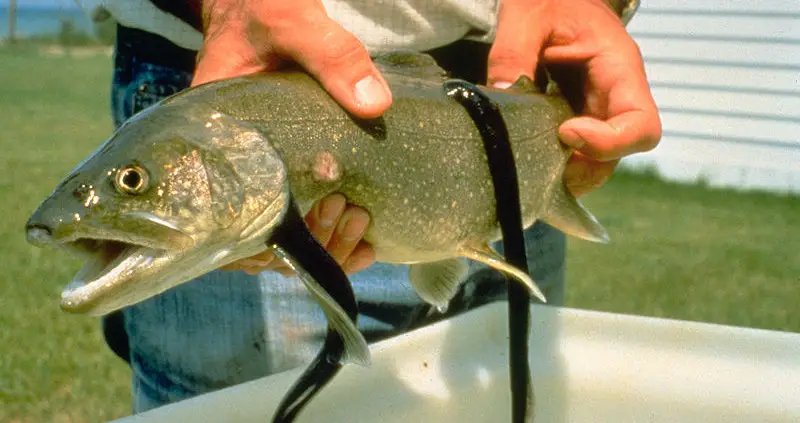
The sea lamprey invasion pushed Great Lakes fisheries to a biological low by the 1950s, disrupting ecosystems and fishing communities alike. But that crisis also set the stage for a remarkable recovery.
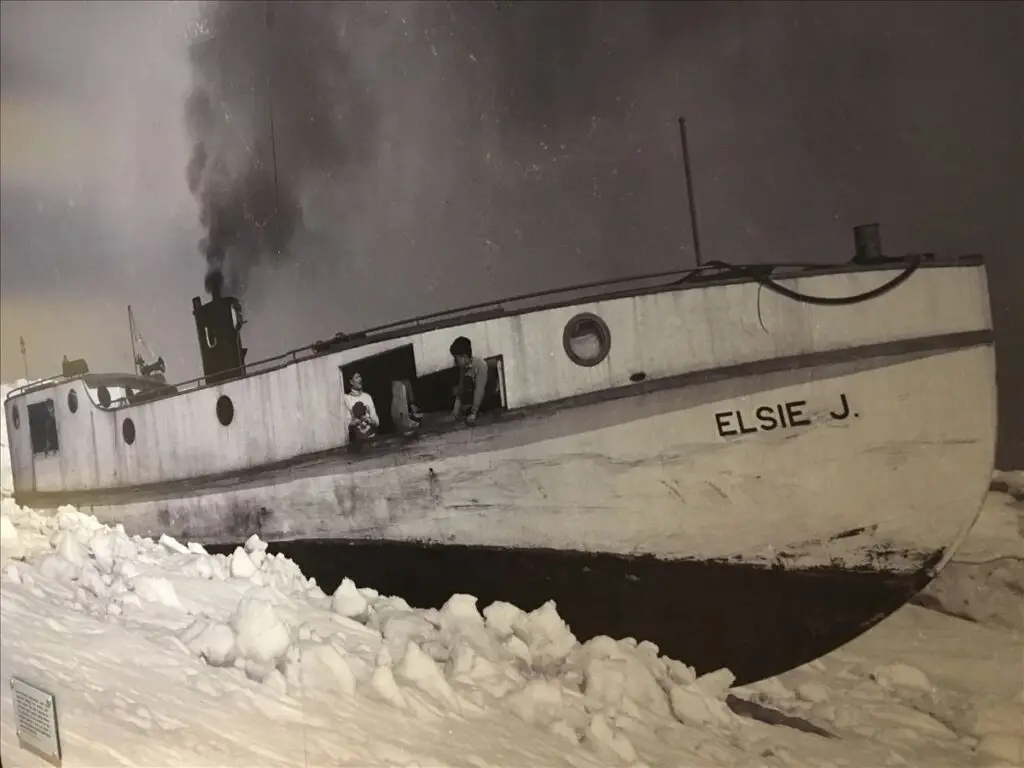
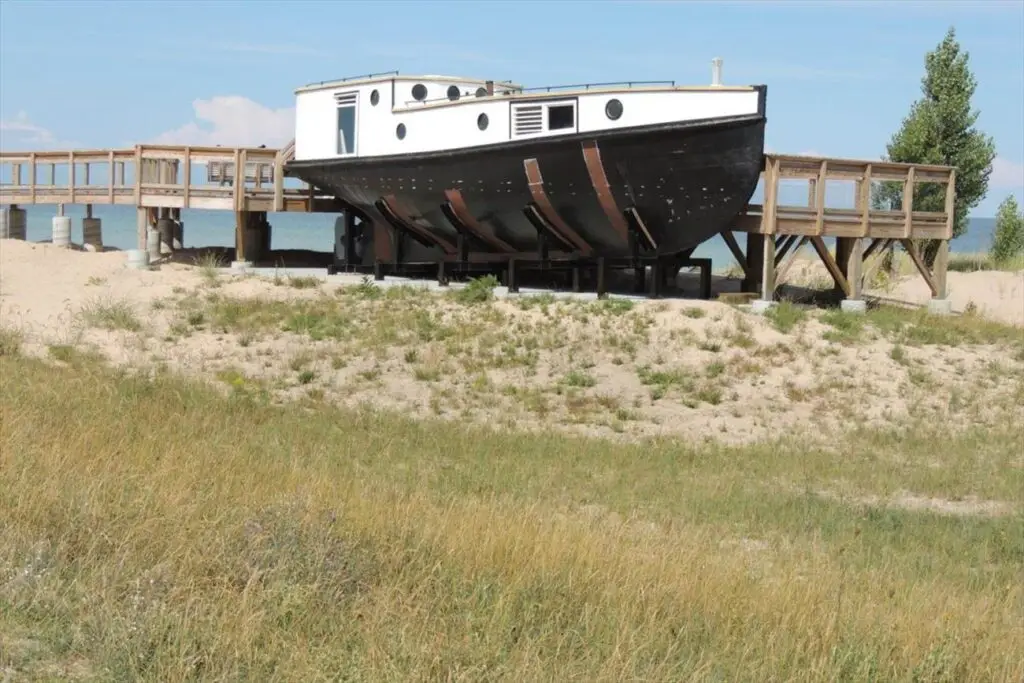
Built for the Great Lakes’ cold, rough waters, the enclosed gill net tug became an icon of commercial fishing. Today, visitors can explore preserved examples in museums and heritage exhibits across the region.
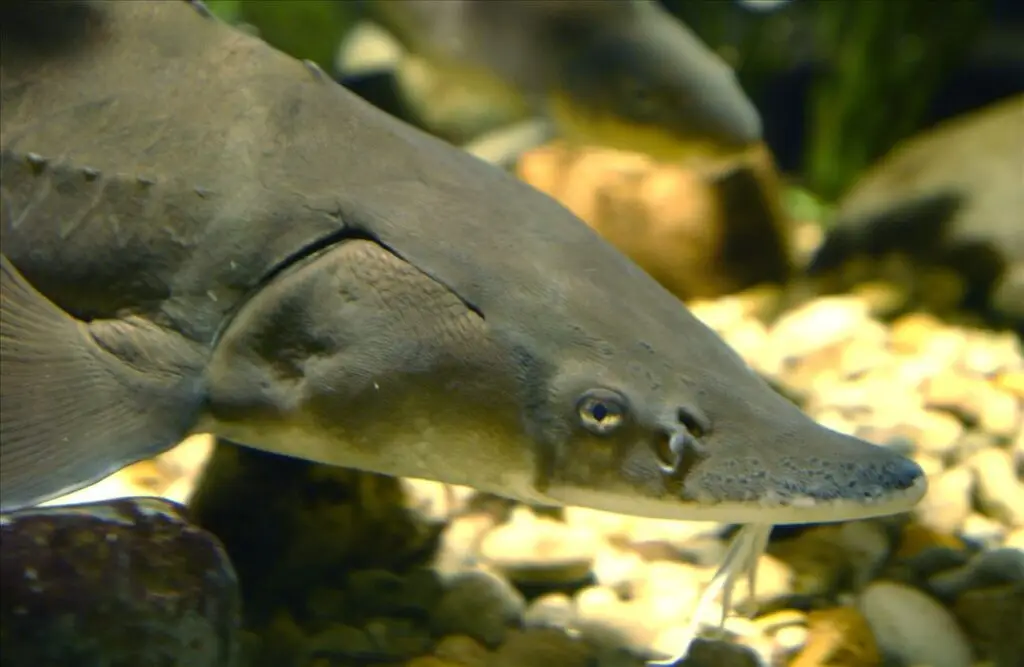
Lake sturgeon have been swimming Earth’s waters for at least 150 million years. These ancient Great Lakes fish can grow to six feet long—and still carry features that date back to the earliest evolution of fish.
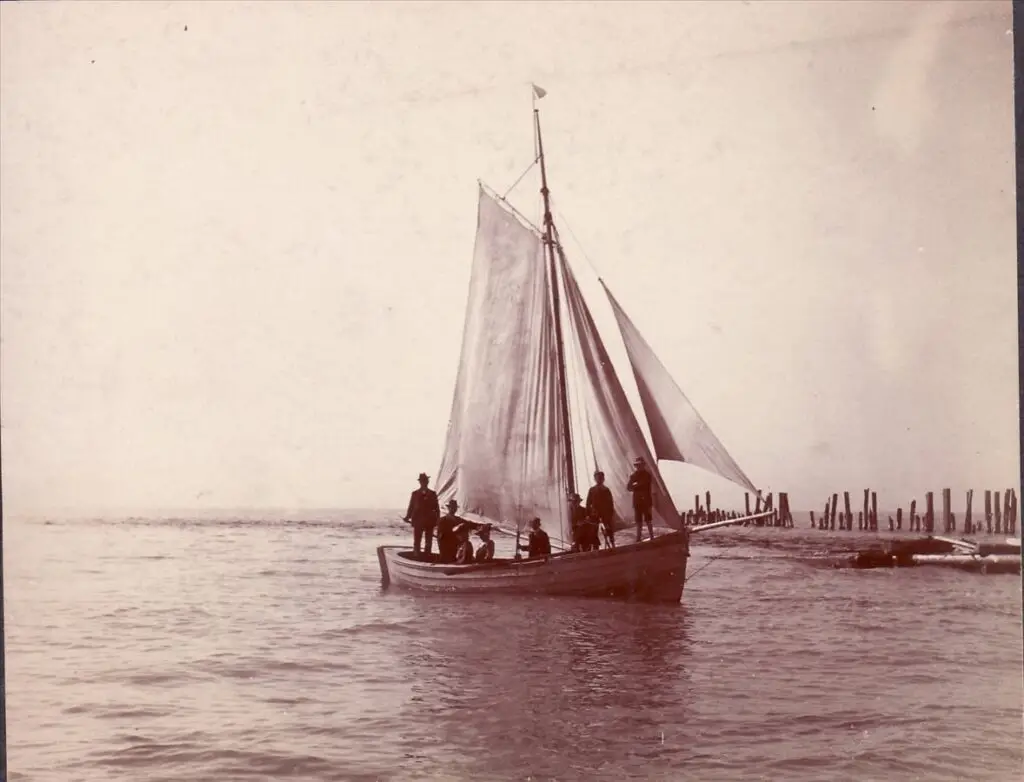
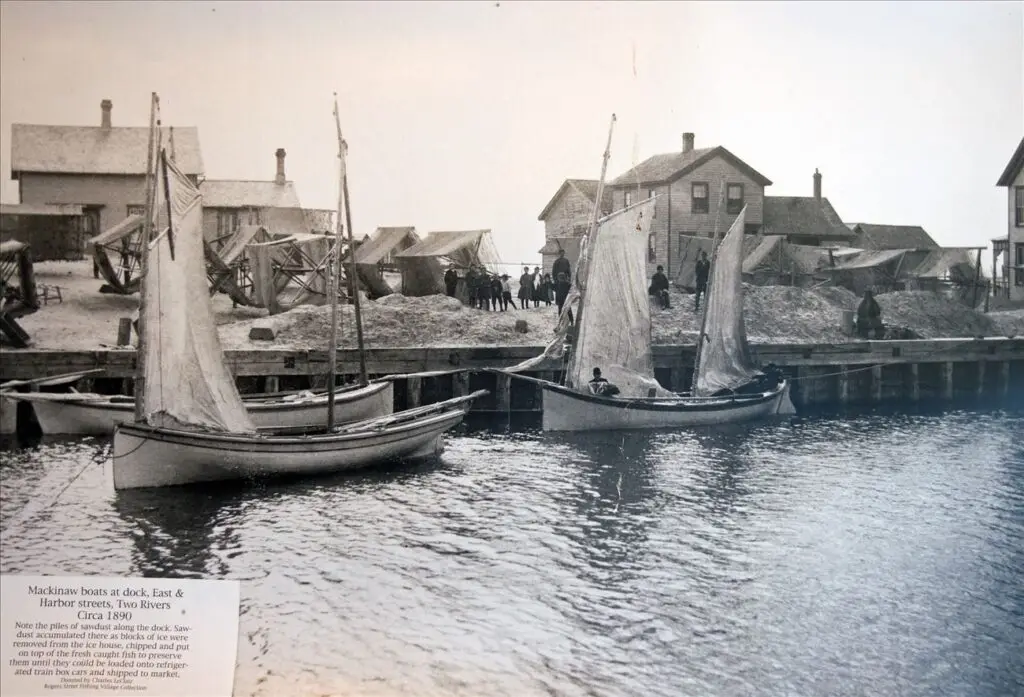
Mackinaw boats were among the most important commercial fishing vessels on the Upper Great Lakes in the 19th century. Seaworthy, versatile, and widely used, they became essential working boats for fishermen and coastal communities.
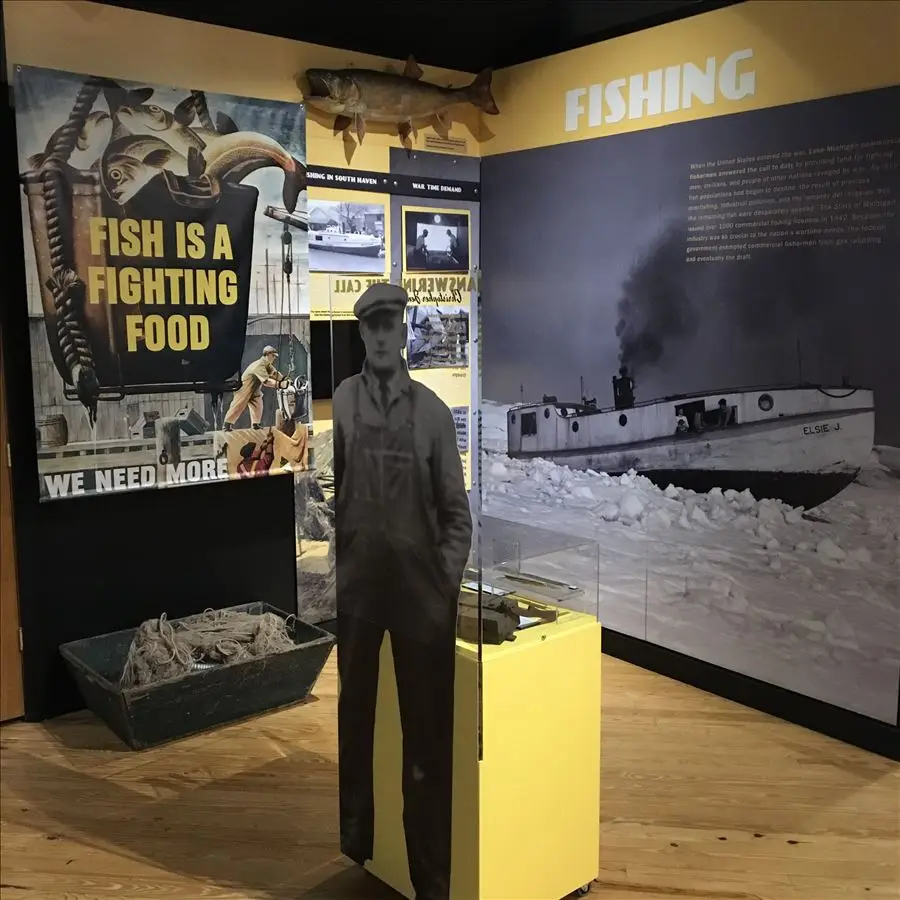
Great Lakes commercial fishing boats evolved in response to technological advances and changes in the rules and regulations governing commercial fishing. Explore the variety of fishing methods deployed by fishermen to follow the fish!
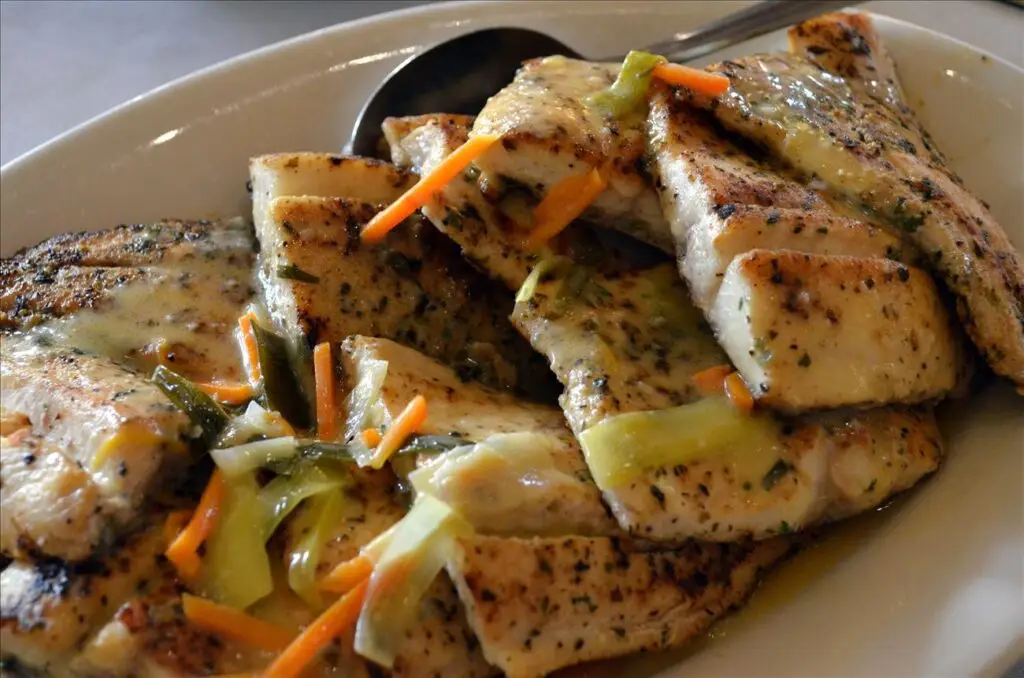
Great Lakes fisheries have sustained people and communities for thousands of years. From Indigenous fishing traditions to today’s commercial fisheries and aquaculture, fish remain an important local food source across the region.
The GLFHT is Getting an Upgrade—More to Explore This Summer!
With financial support from America250MI, we are excited to enhance the GLFHT website! We’re delivering a more accessible, user-friendly experience and expanded stories that celebrate fisheries heritage in Michigan and throughout the Great Lakes region.
Some highlights include new trail stories featuring local voices, curated educational resources for youth and educators, additional places to explore in our directory, and more ways to connect with coastal communities through history, culture, and stewardship.
The first phase of the upgraded site launched in June, with more content coming in August 2026. Thank you for visiting!