Fishes of Isle Royale
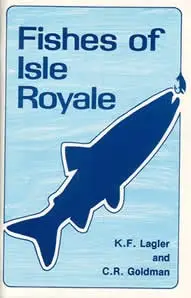
Fishes of Isle Royale by Karl . F. Lagler and Charles. R. Goldman This book was published in 1959 (reprinted in 1964, revised in 1982) by the Michigan Sea Grant (publication number MICHU-SG-81-212) and the Isle Royale Natural History Association. This publication provides an overview of Isle Royale National Park, including location in Lake Superior, topography, history, and origin of fishes to this area. This book describes fish habitats of Isle Royale including Lake Superior, open shore, sheltered shore, rapid flowing water, and quiet inland waters. Finally, this publication highlights the variety of fish species specific to the area, how to identify them, and information about Isle Royale fishing. Publication is available for purchase from Isle Royale and Keweenaw Parks Association.
The Great Lake Sturgeon
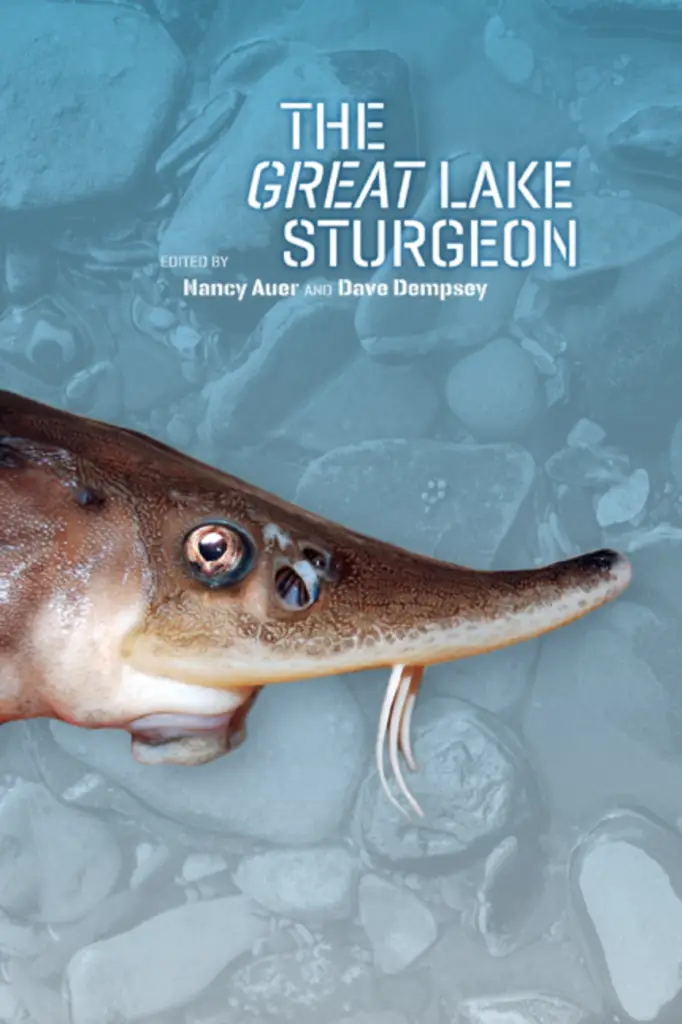
The Great Lakes Sturgeon is a book edited by Nancy Auer and Dave Dempsey, published by Michigan State University Press (2013). This book explores ecology, issues, and management of the Lake Sturgeon in the Great Lakes; and is described by Michigan State University Press as follows: The first book of its kind to explore this magnificent creature, this collected volume captures many aspects of the remarkable Great Lakes sturgeon, from the mythical to the critically real. Lake sturgeon are sacred to some, impressive to many, and endangered in the Great Lakes. A fish whose ancestry reaches back millions of years and that can live over a century and grow to six feet or more, the Great Lakes lake sturgeon was once considered useless, then overfished nearly to extinction. Though the fish is slowly making a comeback thanks to the awareness-raising efforts of Native Americans, biologists, and sturgeon supporters, it remains to be seen if conservation and stewardship will continue to the degree this remarkable animal deserves. Blending history, biology, folklore, environmental science, and policy, this accessible book seeks to reach a broad audience and tell the story of the Great Lakes lake sturgeon in a manner as diverse as its subject.
The Life of the Lakes – A Guide to the Great Lakes Fishery
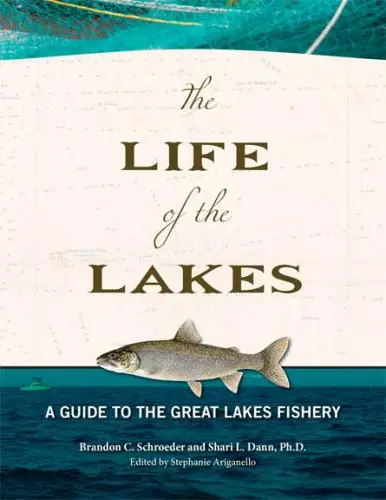
Michigan Sea Grant publication explores “The Life of the Lakes” Michigan Sea Grant’s updated third edition of The Life of the Lakes: A Guide to the Great Lakes Fishery offers a look at the colorful story of our Great Lakes. Posted online (CLICK HERE FOR ORIGINAL ONLINE VERSION) on February 26, 2013 by Brandon Schroeder, Michigan State University Extension The Great Lakes fishery offers a binding thread by which to explore the culture, economy and ecology of the lakes through time. Michigan Sea Grant’s third edition of The Life of the Lakes: A Guide to the Great Lakes Fishery celebrates this diverse, dynamic and valuable Great lakes fishery. This book offers a reader-friendly opportunity to: Through four colorful chapters, this publication explores: Ecology and Management, Today’s Great Lakes Fisheries, History of the Great Lakes Fisheries and the Future of these resources. Through The Life of the Lakes, we can more deeply explore: The Great Lakes fisheries are part of our history and heritage, and still a part of who we are today. Our Great Lakes fishery looks differently today than in the past, and changes and continuing challenges will face our fishery into the future. Yet, despite change, these amazing resources remain as socially, economically, and ecological valuable as they have been through time. The Life of the Lakes offers a wealth of information and opportunity to explore this diverse and amazing Great Lakes fishery. A recent edition of Michigan Sea Grant’s Upwellings newsletter offers an in depth preview of the Life of the Lakes. You may visit the Michigan Sea Grant Bookstore, where you can order your copy of The Life of the Lakes today. Discounts for educators and for bulk orders are available by contacting the Michigan Sea Grant Bookstore at 734.763.1437 or via email for more details. This article was published by Michigan State University Extension. For more information, visit http://www.msue.msu.edu. To have a digest of information delivered straight to your email inbox, visit http://www.msue.msu.edu/newsletters. To contact an expert in your area, visit http://expert.msue.msu.edu, or call 888-MSUE4MI (888-678-3464).
Katherine V: A Lone Survivor & Fishing Legend – Great Lakes Fisheries Heritage Trail Article
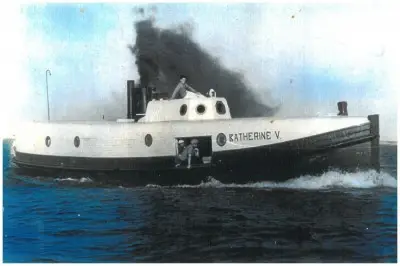
Besser Museum for Northeast Michigan looks at commercial fishing past through stories of local fishermen and one historic boat, the Katherine V. Posted on February 23, 2016 by Brandon Schroeder, Michigan State University Extension, Michigan Sea Grant, and Christine Witulski, director, Besser Museum for Northeast Michigan A new Great Lakes Fisheries Heritage Trail offers an opportunity to explore the past, present and future of the lakes through the lens of fish and fishing (see Part 1, series introduction). In this article, we visit Alpena, Michigan and the Besser Museum for Northeast Michigan to explore commercial fishing heritage of northern Lake Huron as told through the historic commercial fishing vessel, the Katherine V. A Great Lakes gill net fish tug, the Katherine V was built in 1928 on the shores of northern Lake Huron in Rogers City by Native American builder Henry Vincent, and was fished by the Vogelheim family, who owned and operated the Katherine V from her launch until retirement in 1970. At 57 feet in length, entirely enclosed, and powered by a Kahlenberg 3-cylinder engine the tug is an example of late 19th and early 20th century Great Lakes commercial fishing vessels. Constructed of white oak, northern white cedar and cypress, the boat was eventually sheathed in steel and aluminum early in its fishing career to aide in fishing through the winter. A 1990 research report written by Frank & Nancy Prothero nicknames her the ‘lone survivor’ calling attention to the vessel’s one-of-a-kind attributes: built locally and fished locally in Lake Huron her entire fishing career. This was unique given many other commercial boats were built in shipyards and having one or more ‘sister ships’ built from same design plans. It was also common that Great Lakes boats might change ownership or be repurposed for other industries; and so equally rare that she fished out of same Lake Huron port. An emblem of Great Lakes fisheries heritage, the Katherine V reflects the social, ecological and technical changes that occurred within the fishery and across the Great Lakes region during the early part of the 20th century. People: The history of the Katherine V contains aspects of historic Native American fisheries, early European commercial fisheries and contemporary recreational fisheries. It tells of changing attitudes towards Great Lakes resources, and reflects the diverse values found in our fishery today. Fishery: In service from 1928 to 1970, the Katherine V fished the Great Lakes during an era of significant ecological change. Water quality threats, habitat degradation and food web changes caused by the introduction of invasive species took place while the Katherine V navigated the northern Great Lakes. These ecological changes from her fishing past call attention to similar stewardship issues challenging the Great Lakes region still today. Fishing technologies: The Katherine V exemplifies changes to fishing methods and gear over the decades. Service of the Katherine V from the 1920s through the 1960s tells of the years when gasoline and diesel propulsion replaced sail and steam, when ice and refrigeration replaced salt, and when fresh lake trout and whitefish were shipped from northeastern Michigan ports by the train-car load. Representative of a Great Lakes maritime fleet that once consisted of over 900 vessels, this boat exhibits the gill net fishing methods and gear that dominated turn-of-the-century commercial fishing activities. The Katherine V has a design — unique to the region — that allowed fishermen to fish in the coldest waters of the Great Lakes. Its functionality is reflected in the large number of such vessels fishing the Great Lakes in the early decades of the 20th century. Since the near cessation of gill netting in the 1960s, these iconic gill net boats have nearly disappeared. Wood or steel hulled, these enclosed gill net boats play a limited role in commercial fishing today. Donated and brought to the Besser Museum in 2003, continuous efforts have gone into conserving the vessel and building an educational exhibit about northeast Michigan’s fisheries heritage. Supported by Michigan Sea Grant and Michigan State University Extension, great gains have been accomplished towards this goal over the past few years thanks to the help of some very dedicated volunteers – including local Alpena High School students – who share a similar heritage and passion for the Great Lakes fishery and the Katherine V. The Besser Museum also boasts a modern day recreational fisheries heritage exhibit, including vintage fishing gear and a wall of mounted fish designed to visitors in the ecological diversity of our Great Lakes fishery. Michigan Sea Grant helps to foster economic growth and protect Michigan’s coastal, Great Lakes resources through education, research and outreach. A collaborative effort of the University of Michigan and Michigan State University and its MSU Extension, Michigan Sea Grant is part of the NOAA-National Sea Grant network of 33 university-based programs. This article was published by Michigan State University Extension. For more information, visit http://www.msue.msu.edu. To have a digest of information delivered straight to your email inbox, visit http://www.msue.msu.edu/newsletters. To contact an expert in your area, visit http://expert.msue.msu.edu, or call 888-MSUE4MI (888-678-3464).